



By Sophia Harris, interior designer and ASA-certified color consultant|Last updated date: March 2026|Next review date: January 2027
A Designer's Field Observations on Five Emerging Trends
As an interior designer with 15 years of practice, I've spent the past year walking through dozens of design shows, studios, and client homes, witnessing firsthand the profound shift happening in home aesthetics. In 2026, we're moving away from the minimalist, sterile styles that dominated recent years, toward spaces that feel warmer, more personal, and better at telling stories.
This article shares the five trends I've observed, along with practical suggestions for integrating them into your living space. These insights come from my direct experiences at High Point Market and Milan Design Week, as well as conversations with suppliers, craftspeople, and homeowners.
Trend 1: Artichoke Green ©?The Evolution of Nature-Inspired Color
What I'm Seeing:
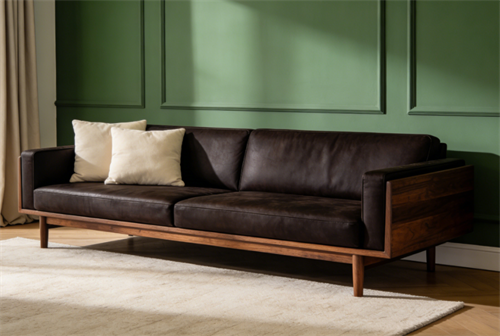
At last fall's High Point Market furniture show, I noticed a distinct color shift: exhibitors were moving away from the pale gray-greens of previous years toward something deeper and more complex. This hue ©?sitting between sage and moss with noticeable gray undertones ©?appeared simultaneously in multiple paint brand launches.
Why It Works:
Emotional Resonance: Compared to cooler gray-greens, this shade creates a stronger connection to nature and a sense of groundedness
Versatility: In client homes, I've tested it successfully against walnut, terracotta, matte black, and cream
My Practical Recommendations:
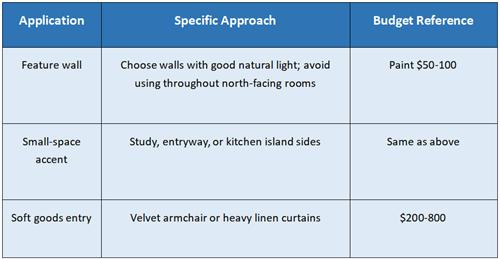
Application
Specific Approach
Budget Referenc
Actual Paint References:
Sherwin-Williams Artichoke SW 6179 (used in three projects last year)
Benjamin Moore Guacamole (better for well-lit spaces)
Client Case: In November, I painted a Boston client's study in Artichoke Green, pairing it with her existing dark wood desk. She reported the space became her "favorite place to be in the house," and colleagues frequently asked about the wall color during video calls.
Trend 2: Oversized Wall Art ©?A New Interpretation of "Less Is More"
What I'm Seeing:
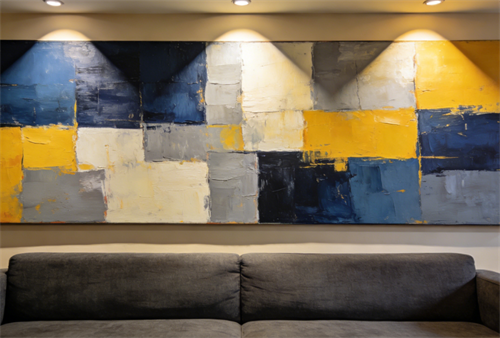
This year I've noticed a paradox: clients are increasingly reluctant to put multiple holes in their walls, yet willing to invest in one large piece that truly moves them. Galleries and online platforms confirm this observation ©?two local galleries I work with reported approximately 40% more inquiries for works 36x48 inches and larger compared to last year.
Sizing Framework (Based on Project Experience):
plain
Wall width × 0.6 to 0.75 = Ideal artwork width
Hanging Height Formula:
The visual center of the artwork should sit 57-60 inches (145-152 cm) from the floor
I've verified this average eye level across dozens of residential projects
Budget Reality by Category:
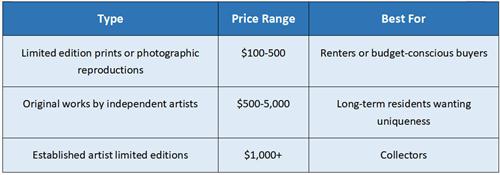
Type
Price Range
Best Fo
My Sourcing Recommendations:
Saatchi Art and UGallery: I've vetted artists on both platforms; quality remains consistent
Local gallery open studios: Often yield better prices for emerging artists
Avoid: Mass-production "fast decor" websites ©?these pieces lack emotional connection
Trend 3: The Return of Dark Wood ©?Warmth and Substance
What I'm Seeing:
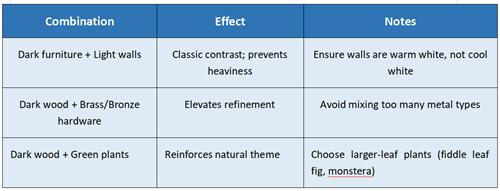
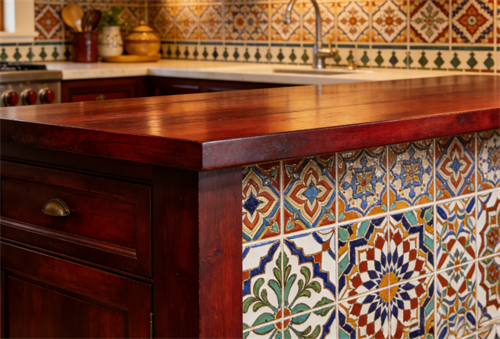
This isn't prediction ©?it's transformation in progress. Over the past 18 months, the percentage of my projects requesting shifts from light oak to walnut and dark cherry has risen from roughly 20% to 60%. One client told me directly: "I'm tired of living in something that looks like an IKEA showroom."
Pairing Strategies (Project-Tested):
Combination
Effect
Reliable Sourcing:
Room & Board: I've specified repeatedly; wood sourcing is transparent
Local custom woodworkers: When budget allows, I recommend finding local craftspeople ©?often better value than mid-tier brand lines
Estate sales: Classic dark wood pieces appear frequently; I regularly source for clients
Trend 4: Freestanding Kitchens ©?Design Liberation for Renters
What I'm Seeing:
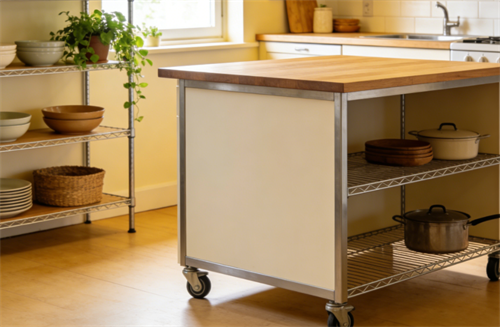
This year's most unexpected discovery. Three clients who had planned to buy homes instead continued renting due to market conditions, but refused to accept that "renting means a bad kitchen." Freestanding kitchen furniture became our solution ©?pieces that move with them and often arrive faster than custom cabinetry.
Core Categories (Ranked by Utility):
Freestanding island: Expands counter space; adds storage below
Open shelving units: Displays dishware; visually lighter than wall cabinets
Mobile carts: Flexible storage addition; doubles as temporary bar or serving station
My Project Experience:
IKEA VADHOLMA series: I've specified four times; quality is consistent, but countertop sealing requires attention
CB2 kitchen carts: Good for small spaces; clean design
Local custom metal frame + wood top: Comparable cost but more durable; I often coordinate these custom pieces for clients
Critical Note: Freestanding furniture demands more careful spatial planning. In my design process, I mark floor outlines with tape so clients can physically walk through the circulation before purchasing.
Trend 5: Hand-Painted Tiles ©?The Revaluation of Craft
What I'm Seeing:
At this year's Milan Design Week, hand-crafted tile displays occupied noticeably more floor space. I spoke with representatives from Mexican and Portuguese workshops who reported increased inquiries from North American designers. Clients are willing to pay premium prices for "imperfection" ©?a shift I haven't seen in previous years.
Applications and Maintenance Reality:
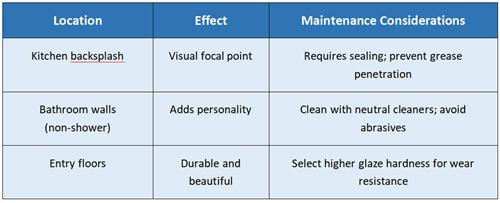
Location
Effect
Maintenance Considerati
My Sourcing Channels:
Clé Tile: Multiple collaborations; reliable sample service
Etsy direct to workshop: For patient clients; 6-10 week timeline
Local tile showrooms: Occasionally stock imported hand-painted tiles; I regularly hunt for clients
Small-Budget Entry Points
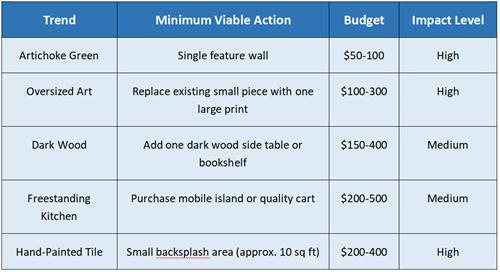
Based on my experience helping renters and first-time homeowners, here are priority-ranked, low-cost ways to test these trends:
Trend
Minimum Viable Action
Budget
Impact Level
FAQ (From Actual Client Conversations)
Q: Won't Artichoke Green make small rooms feel darker?
In my practice, this depends on light exposure. For north-facing rooms, I recommend single-wall or furniture applications only; south or west-facing rooms can handle bolder use. The key is balancing with sufficient warm white.
Q: How do I determine the right size for wall art?
I use this rule of thumb: standing at the room's main entrance, the artwork should occupy roughly two-thirds of your field of vision. Simpler method: artwork width = wall width × 2/3.
Q: Can I mix dark and light wood in the same room?
Yes ©?this is how I approached multiple projects this year. My rule: choose one as dominant (typically 70%), the other as accent. Avoid three or more different woods within the same sight line.
Q: Are freestanding kitchens really cheaper than custom cabinetry?
Initial costs are usually lower, but consider lifespan. I've calculated for clients: if planning to stay more than 5 years, custom cabinetry often offers better value; if under 5 years or likely to move, freestanding furniture is the wiser choice.
Q: How durable are hand-painted tiles?
The glaze itself is durable, but painted patterns can wear with heavy use. I recommend simpler patterns for kitchens (less visually obvious when worn) and more complex patterns for bathrooms.
Summary
The core of 2026's design trends isn't chasing novelty ©?it's establishing emotional connection with space. The calm of Artichoke Green, the personal statement of oversized art, the groundedness of dark wood, the flexibility of freestanding furniture, and the warmth of hand-painted tiles ©?these elements converge toward one goal: making home a true reflection of its inhabitants' inner world.
As a designer, my advice remains constant: choose elements that resonate with you, not merely because they're current. Trends are tools, not rules.If you have any questions about how to apply these ideas to a specific space, please feel free to contact me through this website.
About the Author
Sophia Harris, interior designer and ASA-certified color consultant. Fifteen years serving residential and small commercial projects, focusing on blending classical design principles with contemporary living. All client cases mentioned are shared with client permission; some details modified for privacy.
Disclaimer
Brands mentioned are based on the author's direct project experience and do not constitute formal endorsement. Price information reflects 2025 market references; actual prices vary by region and timing. Readers should independently verify product information before purchase.
