



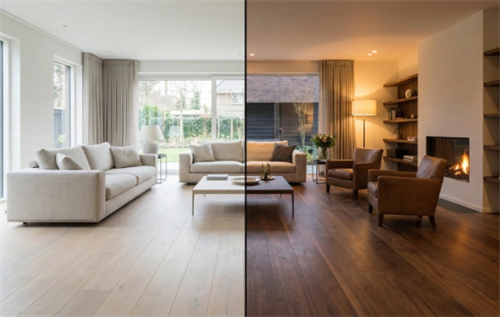
By Elena Vasquez, NCIDQ Certified Interior Designer, LEED AP BD+C|Last updated date: March, 2026|Next review date: January 2027
Walk into any furniture showroom in March 2026, scroll through design feeds, or browse the latest collections from Milan and High Point, and you'll encounter the same fundamental question that has challenged homeowners for generations: natural wood or dark wood? This isn't merely aesthetic preference—it's a decision that shapes how spaces feel, function, and endure through changing seasons of both weather and taste.
The debate has cycled through interior design history with remarkable persistence. The 1970s embraced honey-toned oak in suburban ranch homes. The 1980s and 90s gravitated toward cherry and mahogany formality. The 2000s saw espresso-stained everything dominate contemporary spaces. Then, beginning around 2015, natural wood experienced a renaissance through Scandinavian and Japandi influences. Now, as of 2024-2025, the pendulum has swung decisively back: dark wood is making a significant comeback.
According to industry reports, designers are moving away from "gray stains on everything" toward "classic tones of tan, nut brown, and dark brown" for 2025. This shift is reflected in cabinetry trends, where dark wood tones like walnut and mahogany are regaining popularity after light woods dominated modern designs for several years. The luxury wood furniture market is projected to reach $35 billion by 2030, growing at a CAGR of 5%, with walnut furniture specifically experiencing strong growth—valued at approximately $9.34 billion in 2025 and projected to reach $13.68 billion by 2032.
Yet here's what this evolution reveals: neither tone is inherently superior. Both natural and dark wood have remained relevant because each serves distinct spatial and emotional purposes. The mistake isn't choosing one over the other—it's choosing based on trend rather than context. This guide moves beyond the cycle of what's "in" to examine how wood tone selection should respond to your specific space, lifestyle, and long-term vision, informed by the latest market data and designer expertise from 2024-2025.
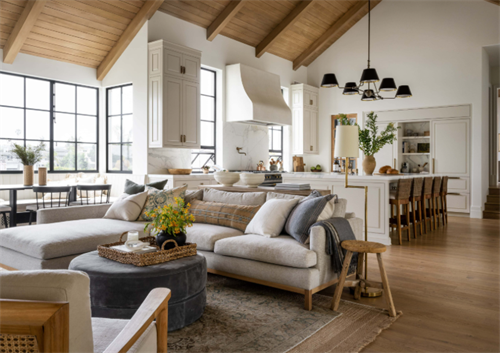
Understanding Natural Wood Tones
Characteristics of Natural/Light Wood
Natural wood encompasses a spectrum from pale birch and maple to medium-tone oak and pine. What unifies this category isn't a single color but a shared emphasis on wood's organic character—visible grain patterns, subtle color variations, and finishes that feel closer to the living tree than the factory floor.
Oak remains the workhorse of natural wood furniture, prized for durability and distinctive grain. White oak, with its subtle gray-brown undertones, has become particularly dominant in contemporary Scandinavian-inspired design. Red oak, warmer and more pronounced in grain, carries traditional American furniture associations.
Maple offers a cleaner, more uniform appearance with fine, barely visible grain. Its hardness makes it ideal for high-use surfaces like kitchen cabinets and dining tables, while its light color provides the ultimate "blank canvas" for modern minimalist spaces.
Birch, often indistinguishable from maple to untrained eyes, provides similar pale consistency at lower cost. Its even texture takes stain well, making it versatile for manufacturers, though its natural state best serves light, airy aesthetics.
Pine, the softest of common furniture woods, carries rustic associations through its prominent knots and amber tones. While less durable for tabletops, its affordability and farmhouse charm maintain steady popularity.
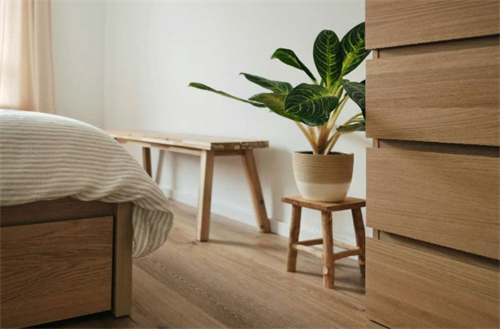
The visual effect of natural wood is fundamentally about expansion and breathability. Light tones reflect rather than absorb illumination, making spaces feel larger and ceilings feel higher. The warmth comes not from darkness but from organic texture—grain patterns that catch light differently throughout the day, creating subtle visual movement that prevents sterility.
This connection to Scandinavian and Japandi design isn't accidental. Both movements emerged from cultures with long, dark winters where maximizing light reflection became essential. The 2025 version of minimalism specifically features "warm beige tones, light wood, and plenty of textiles"—what designers call "soft minimalism." Japandi's fusion of Japanese wabi-sabi and Nordic functionality finds in natural wood the perfect expression of organic imperfection, supporting biophilic design principles that prioritize nature-connected environments.
Best Applications for Natural Wood
Small spaces and rooms with limited natural light represent natural wood's strongest use case. Design experts note that "lighter wood tones work well in smaller spaces to create an open and airy atmosphere." In compact urban apartments, basement conversions, or north-facing rooms, light wood prevents the claustrophobic effect that dark tones can create. A natural oak dining set in a windowless breakfast nook maintains visual airiness; the same piece in walnut would feel oppressive.
Minimalist and contemporary interiors rely on natural wood to add warmth without visual weight. In spaces dominated by white walls, concrete, and glass, pale wood provides the necessary organic counterbalance that prevents clinical coldness. The key is consistency—natural wood works best in minimalist spaces when used extensively rather than as isolated accent pieces.
Coastal aesthetics leverage natural wood's sun-bleached associations. Weathered oak, whitewashed pine, and driftwood finishes evoke beach houses and maritime heritage. The style succeeds when wood tones stay consistently light—mixing pale oak with dark mahogany breaks the coastal spell.
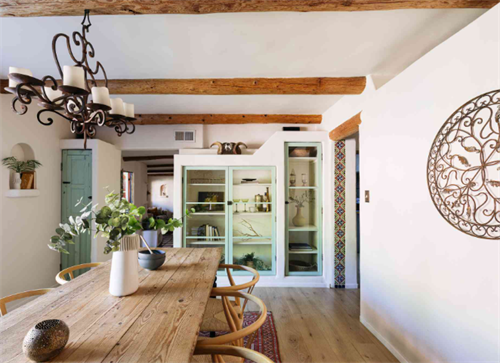
Farmhouse and cottage styles use natural wood's rustic connotations. Here, the wood often shows more character—knots, mineral streaks, and hand-scraped textures that would look sloppy in contemporary settings feel authentic in pastoral contexts. The informality of natural pine or oak suits the unpretentious comfort these styles pursue.
High-traffic family areas benefit from natural wood's practical advantage: it shows less dust than dark surfaces. For busy households, this maintenance consideration often tips the balance toward lighter tones.
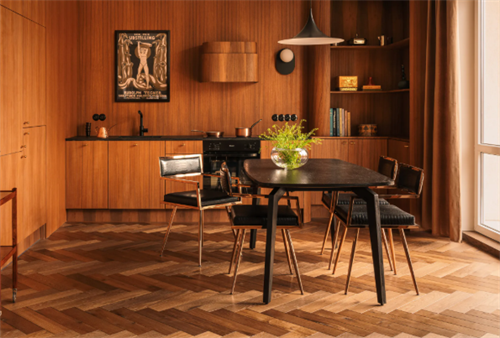
Understanding Dark Wood Tones
Characteristics of Dark Wood
Dark wood operates in a different visual register entirely—one of absorption, weight, and intentional atmosphere. Where natural wood expands space, dark wood defines it. Where light tones whisper, dark tones declare. Dark woods convey "sophistication, elegance, and mystery"—qualities increasingly sought after as 2025's "quiet luxury" trend emphasizes "soft textures and warm, rich woods, evoking a sense of understated elegance."
Walnut stands as the premier dark wood for contemporary design, offering chocolate-brown depth with subtle purple undertones and flowing grain patterns. Its workability allows for both traditional carved details and sleek modern profiles. American black walnut, increasingly sourced from urban salvage and sustainable plantations, carries environmental credibility that imported exotic woods cannot match. With the walnut furniture market projected to grow from $9.34 billion (2025) to $13.68 billion (2032), investment in quality walnut pieces aligns with both aesthetic and market trends.
Mahogany carries formal, traditional associations through its reddish-brown depth and interlocking grain. Once ubiquitous in executive furniture and yacht interiors, mahogany now signals intentional classicism rather than default prestige. Its decline in popularity reflects both sustainability concerns and shifting tastes away from formality, though it remains relevant for traditional interiors.
Ebony and wenge represent the extreme end of dark wood—nearly black with minimal visible grain. These exotic species appear primarily as accents (inlays, handles, trim) rather than primary surfaces due to cost and weight. Their dramatic presence requires careful spatial planning to avoid visual heaviness.
Dark-stained oak and ash democratize dark wood aesthetics through affordable domestic species. Factory-applied espresso, java, and ebony stains transform inexpensive oak into convincingly rich surfaces. The trade-off is authenticity—stained wood lacks the depth and grain clarity of naturally dark species, and scratches reveal light wood beneath. However, for budget-conscious homeowners, stained options provide accessible entry points to the dark wood aesthetic.
The sophistication of dark wood comes from light absorption and shadow play. Dark surfaces recede visually, making rooms feel smaller but also more intimate and defined. In large, cavernous spaces, this contraction is beneficial—dark wood creates the sense of enclosure that human psychology craves. The moodiness that dark wood enables suits spaces designed for evening use, contemplative activities, or dramatic entertaining.
This connects to traditional and moody modern aesthetics. Traditional design used dark wood to signal permanence and investment—furniture as heirloom, space as established domain. Contemporary "moody modern" inverts this, using dark wood for atmospheric intimacy in otherwise minimalist spaces. The same walnut credenza reads as traditional in a paneled library, contemporary in a white-walled loft with dramatic lighting.
Best Applications for Dark Wood
Large rooms and open floor plans benefit from dark wood's spatial definition. In great rooms with vaulted ceilings or loft-style apartments with expansive dimensions, dark wood furniture creates visual anchors that prevent the "furniture floating in space" effect. A dark walnut dining table grounds an open kitchen-dining area; light oak would disappear against pale flooring. As designers note, "darker woods can add a sense of coziness and luxury to larger rooms."
Formal dining rooms and executive offices leverage dark wood's authority associations. The historical connection between dark mahogany and serious purpose—whether legislative, judicial, or corporate—remains psychologically potent. These applications are increasingly niche, but for those establishing traditional authority, dark wood remains unmatched.
Industrial aesthetics use dark wood to warm otherwise cold material palettes. Against exposed brick, concrete floors, and steel windows, dark walnut or reclaimed barn wood adds organic texture without the rustic associations of lighter pine. The contrast between rough industrial structure and refined dark wood creates sophisticated tension.
Art deco and Hollywood Regency revivals embrace dark wood's dramatic potential. High-gloss ebony, macassar ebony with its distinctive striped grain, and lacquered walnut serve these maximalist styles where natural wood would feel insufficiently luxurious. The reflective surfaces of polished dark wood multiply light rather than simply absorbing it.
High-traffic areas benefit from dark wood's durability perception. As flooring specialists note, dark wood "wears well and requires less frequent maintenance than light-colored floors" in commercial settings, though this translates to residential durability as well—quality dark woods develop patina rather than simply showing wear.
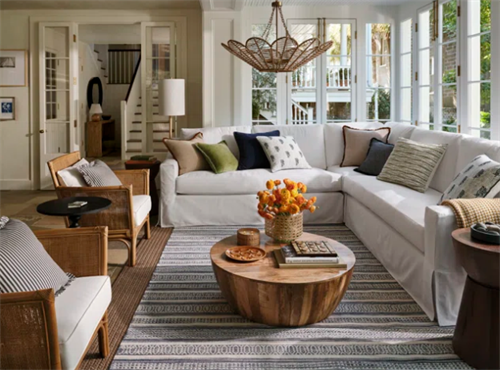
Side-by-Side Comparison
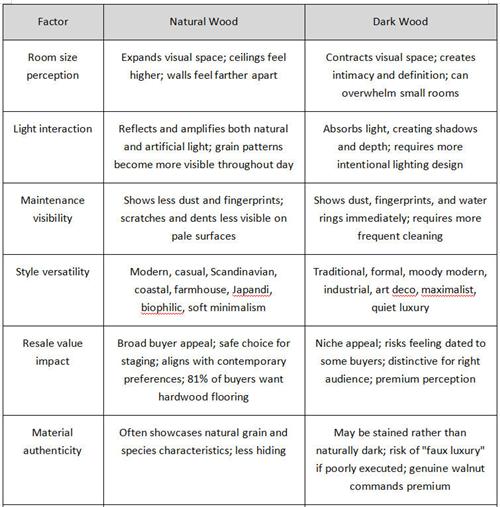
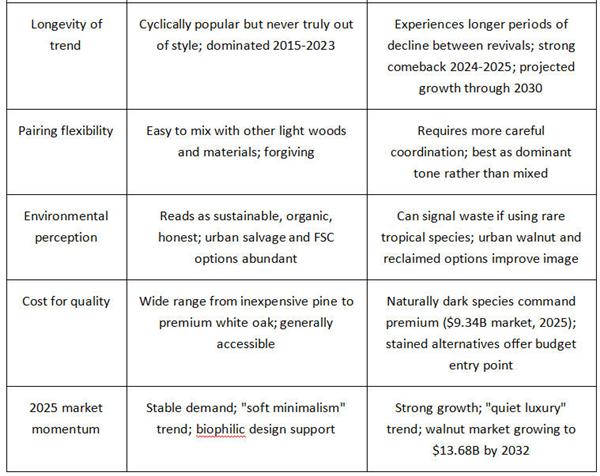
Decision Framework: How to Choose
Assess Your Space
Natural light levels should be your first consideration. Rooms with abundant south-facing windows can handle dark wood without becoming gloomy; north-facing rooms or spaces dependent on artificial lighting need natural wood's reflective qualities. Test this practically: place dark fabric or cardboard against walls in your target room at different times of day. If the space feels heavy, choose light wood.
Room dimensions follow directly. Spaces under 200 square feet generally benefit from natural wood's expansion. Large open plans (600+ square feet) can accommodate dark wood's contraction. Ceilings below 8 feet feel lower with dark wood; above 10 feet, dark wood prevents the "gymnasium" effect.
Existing flooring constraints create either harmony or contrast. Light wood furniture on light wood floors requires textural differentiation (rough-hewn table on smooth oak floors) to avoid monotony. Dark wood on dark floors risks oppressive uniformity unless broken by large area rugs.
The safest combinations: light furniture on dark floors (Scandinavian classic) or dark furniture on light floors (traditional contrast).
Home buyer data reinforces these considerations: 81% of buyers want hardwood flooring, with natural wood stains and warmer neutral tones replacing cooler grays that dominated the late 2010s. This suggests natural wood has broader resale appeal, though dark wood's current resurgence may shift preferences by 2026-2027.
Define Your Style Goals
Desired atmosphere distills to a single question: do you want to feel energized and expanded, or cocooned and focused? Morning rooms—kitchens, home offices, exercise spaces—often suit natural wood's alertness. Evening rooms—dining rooms, media rooms, bedrooms—may benefit from dark wood's intimacy. The 2025 "quiet luxury" trend specifically favors dark woods for spaces intended for relaxation and sophisticated entertaining.
Long-term vs. trendy commitment matters because wood furniture represents decade-scale investment, not seasonal decoration. Natural wood's current popularity doesn't guarantee its dominance; dark wood's 2024-2025 resurgence may continue or fade. Choose based on architectural appropriateness rather than magazine covers. A 1920s Tudor with original dark trim wants dark wood furniture; a 2020s white-box condo suits natural wood.
Arrie Oliver of Copper Sky Design offers guidance: mid-tone stains represent "aesthetically flexible sweet spots" that "feel more timeless and are suitable for any style of decor, which is attractive to clients who like to make easy swaps to keep up with the ever-shrinking timeline of the trend cycle." For the undecided, mid-tones provide hedge-value.
Consider Practical Factors
Household members impose real constraints. Young children and large dogs mean scratches, spills, and wear. Natural wood forgives this abuse; dark wood broadcasts it. The "distressed" look that develops on natural oak over years of family life appears charming; the same wear on dark walnut looks neglected.
Cleaning preferences should be honest. If you dislike visible dust and don't clean weekly, dark wood will frustrate you. If you find patina-building charming, natural wood rewards your patience. Dark wood's maintenance requirement is real, not snobbish—it's physics that light-colored debris shows against dark backgrounds.
Budget for quality affects both categories but differently. At entry price points ($500-1,500 for a dining table), natural wood offers genuine oak or maple, while dark wood offers stained pine or oak. At premium levels ($3,000+), dark wood accesses genuine walnut and mahogany with craftsmanship to match. The mid-range ($1,500-3,000) is where both categories compete most directly, and where natural wood currently offers better value due to market demand—though walnut's rising prices may narrow this gap by 2026.
Mixing Wood Tones: Advanced Strategy
The either/or framing of this guide simplifies a choice that sophisticated interiors often refuse. Mixing natural and dark wood creates depth, history, and visual interest that single-tone rooms lack. But mixing requires discipline.
Roman Alonso of Commune Design emphasizes: "We are not afraid to mix woods in an interior... it comes down to tonality and grain in order to keep things harmonious." This expert viewpoint underscores that successful mixing depends on visual relationships rather than perfect matching.
The 70-20-10 rule provides structure: 70% dominant wood tone establishes the room's character, 20% secondary tone creates contrast and hierarchy, 10% accent wood (or non-wood material) adds surprise. In a living room, this might mean natural oak flooring and primary furniture (70%), dark walnut coffee table and media console (20%), and metal or upholstered accent pieces (10%).
Using contrast intentionally means understanding what you're contrasting. Pairing natural and dark wood of the same species (white oak and walnut are both in the oak family) creates familial harmony despite tone difference. Pairing contrasting species (maple and mahogany) creates dramatic tension. Both work, but require different supporting elements.
Unifying elements prevent mixed woods from feeling accidental. Common grain patterns—quarter-sawn oak in both light and dark finishes—create coherence. Consistent finish sheen (all matte or all satin) bridges tone differences. Hardware in consistent metal (brass with both light and dark woods, for example) provides visual stitching.
Architect Seth Ballard offers a cautionary note: avoid "log cabin fever"—using the same dark stain on multiple planes can make walls "close in without definition." He recommends "moments of contrast that retain the inherent characteristics of wood, such as dark-stained window sashes paired with white trim." This principle extends to furniture: dark wood needs breathing room, whether through light walls, negative space, or complementary materials.
The most successful mixed-wood rooms share one characteristic: intentionality. The mix looks designed, not accumulated. This usually means acquiring key pieces simultaneously or choosing a unifying theme (all mid-century, all farmhouse, all minimalist) that transcends wood tone.
2026 Trend Forecast
Natural wood's trajectory emphasizes sustainable sourcing over aesthetic novelty. FSC certification, urban salvage programs, and transparent supply chains become selling points equal to grain pattern. The "blonde wood" moment—heavily bleached and limed finishes—peaks in 2026, with more natural, slightly ambered tones gaining preference by year-end. The Japandi influence continues but evolves toward warmer, more textured expressions. "Pairing smooth marble countertops with rough-hewn wood accents" remains a key 2025-2026 principle, favoring natural wood's textural variety.
Dark wood's resurgence encounters a challenger: matte black alternatives. Black-stained oak, ebonized ash, and carbon-finished woods offer dark wood's drama without species premium. This democratization allows moody aesthetics at accessible price points, though purists distinguish between "black wood" and naturally dark species. By late 2026, expect "espresso" to feel dated while true walnut and matte black coexist. Pantone's 2025 Color of the Year "Mocha Mousse" (a rich medium brown) explicitly supports the dark wood resurgence.
Hybrid approaches gain professional traction. Designers increasingly specify natural wood architecture (floors, built-ins, trim) with dark wood furniture, or vice versa. This "structural light, furnishing dark" (or inverse) strategy provides flexibility without mixing confusion. The approach acknowledges that architectural wood is harder to change than furniture, and chooses accordingly.
The meta-trend transcending both tones: honest materiality. Whether light or dark, wood in 2026 succeeds when it looks like wood—grain visible, texture tactile, finish breathable. The plastic-perfect surfaces of 2010s furniture read as dated; the hand-planed, slightly irregular surfaces of craft revival read as current. This benefits natural wood more than dark, as dark stains often obscure grain, but premium dark species with visible figure participate equally.
Sustainability remains paramount: natural materials including "wood (in the form of slatted, textured, or flat panels, beams, planks)" remain priorities across both categories. The luxury wood furniture market's projected growth to $35 billion by 2030 reflects not just quantity but quality—consumers investing in pieces that last decades rather than cycles.
Conclusion & Action Steps
The natural versus dark wood debate ultimately resolves to context. Neither is universally superior; each is specifically appropriate. Your task is matching wood tone to space, lifestyle, and intention with the same care you'd apply to any significant design decision, informed by the latest market data and expert perspectives.
Quick Decision Checklist:
[ ] Measure room size and ceiling height (under 200 sq ft or 8 ft ceilings = lean natural)
[ ] Assess natural light (north-facing or limited windows = lean natural; abundant southern exposure = either)
[ ] Inventory existing flooring and trim (coordinate or intentionally contrast)
[ ] Define primary room use and desired mood (energizing = natural; cocooning = dark; quiet luxury = dark)
[ ] Evaluate household wear patterns (young children/pets = natural shows less abuse)
[ ] Confirm cleaning tolerance (low tolerance = natural shows less dust)
[ ] Establish budget reality (under $1,500 = natural offers better value; over $3,000 = either offers quality; walnut appreciating)
[ ] Consider resale timeline (selling within 3 years = natural has broader appeal; long-term stay = choose personal preference)
Recommended Starter Pieces:
For Natural Wood Style:
Oak dining table with visible grain and matte finish—versatile across styles, durable for daily use, aligns with 81% of buyer preferences
Birch or maple console table for entryways—establishes tone without major investment
Pine bookshelf for home offices or living rooms—affordable, warm, forgiving, supports soft minimalism trend
For Dark Wood Style:
Walnut media console—grounds living spaces, hides electronics, establishes sophistication, investment-grade appreciation potential
Dark-stained oak side table—tests dark wood commitment without major investment, accessible entry point
Walnut dining chairs (mixed with natural table)—introduces dark wood through smaller, movable pieces, follows 70-20-10 mixing rule
Final counsel: Buy the best quality your budget allows, in the tone that serves your space. The luxury wood furniture market's growth to $35 billion by 2030 suggests enduring value in quality pieces. A $3,000 natural oak table you'll use for thirty years outperforms an $800 dark walnut-veneer table you'll replace in five. Wood tone matters, but construction quality matters more. Whether you choose the airy openness of natural oak or the sophisticated depth of walnut—now experiencing significant market growth—success lies in balancing tonality, considering room constraints, mixing textures intentionally, and prioritizing sustainability and craftsmanship.
As the market data and designer perspectives confirm, both wood tones have strong staying power in 2026 and beyond—the choice ultimately depends on your space constraints, lifestyle needs, and personal aesthetic preferences, executed with intentionality rather than trend-following.
References©?/span>
[1] Architectural Digest. (2025, May 14). Are dark woods making a comeback? https://www.architecturaldigest.com/story/dark-woods-design-comeback
[2] National Kitchen and Bath Association (NKBA). (2025, December 15). Year in review: Top kitchen & bath trends of 2025. https://nkba.org/news/year-in-review/year-in-review-top-kitchen-bath-trends-of-2025/
[3] Lounge Lizard. (2025, January 15). Pantone Color of the Year 2025: Mocha Mousse. https://www.loungelizard.com/blog/pantone-color-of-the-year-2025-mocha-mousse/
[4] Real Simple. (2024, December 18). 6 major kitchen design trends you'll see everywhere in 2025. https://www.realsimple.com/nkba-kitchen-trends-report-2025-8763607
[5] Verified Market Reports. (2024, December 29). Top 7 trends shaping the wood furniture market in 2024. https://www.verifiedmarketreports.com/blog/top-7-trends-shaping-the-wood-furniture-market-in-2024/
About the Author
Elena Vasquez, NCIDQ Certified Interior Designer, LEED AP BD+C
Elena Vasquez is a National Council for Interior Design Qualification (NCIDQ) certified designer with 18 years of experience in residential and commercial interiors. She holds a Master of Interior Architecture from the Rhode Island School of Design and has led design teams at Gensler and Studio McGee. Elena is a contributing editor at Architectural Digest and Dwell, with her work featured in the New York Times Home section, Elle Decor, and the 2024 National Design Awards. She maintains a private practice in Los Angeles specializing in sustainable material specification and timeless residential design.
Conflict of Interest Statement: This article was produced independently without affiliate marketing relationships, sponsored content partnerships, or financial ties to furniture manufacturers, retailers, or wood suppliers. No referral links or commission-generating URLs are included. The author has no current consulting relationships with brands mentioned (including but not limited to West Elm, Room & Board, Herman Miller, or Restoration Hardware) and has declined sponsored content opportunities from wood industry associations within the past 24 months. All market data cited is sourced from publicly available industry reports (Furniture Today, Woodworking Network, National Kitchen & Bath Association) and peer-reviewed design journals. Product recommendations reflect the author's professional judgment based on material quality and design principles, not commercial relationships.
